
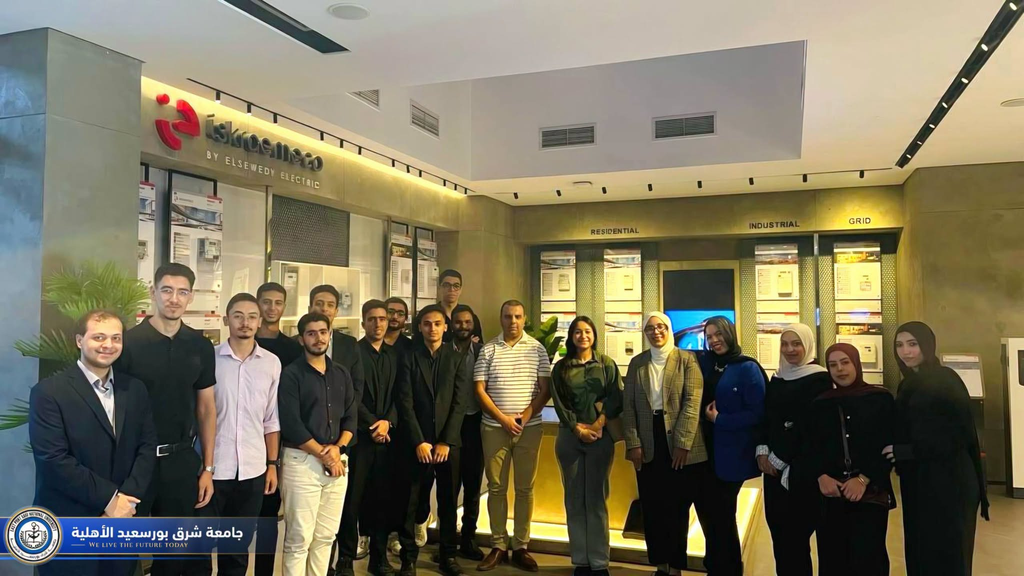
As part of East Port Said National University’s efforts to bridge academic learning and industrial practice, and equip its engineering students with the technical competencies required by the labour market, the University’s Professional Training, Development and Professional Volunteering Centre, in collaboration with the Faculty of Engineering, organised a field training visit to Elsewedy Electrometer, a manufacturer of smart metering solutions.
Held under the patronage of Prof. Dr. Atef Alam El-Din, President of the University, the visit marked the second training visit undertaken by Faculty of Engineering students to Elsewedy Electric Group’s manufacturing facilities. It forms part of the University’s ongoing efforts to strengthen partnerships with leading industrial organisations and give students direct exposure to professional practice in real industrial settings.
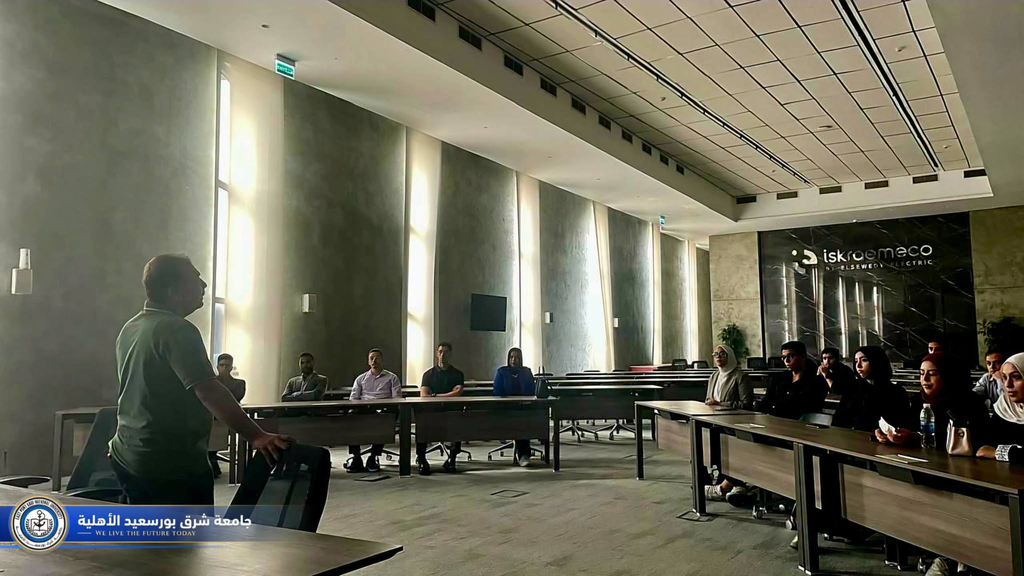
The programme began with an introductory session outlining the company’s history and the evolution of its industrial and technological operations. This was followed by a guided tour of the production lines, during which students gained insight into the manufacturing and assembly processes of smart electronic meters, covering the production of electronic circuit boards, the integration of various components and modules, and the final assembly of finished products.
Students also explored the communication protocols employed in smart meters and their role in facilitating data exchange and communication between the components of metering systems. The visit further included technical briefings delivered by the company’s engineers, who explained the industrial applications of these technologies.
The visit prompted active student engagement and meaningful participation in technical discussions, enabling students to relate the engineering and technological principles covered in their academic studies to their practical implementation in industry. It also provided valuable first-hand insight into production-line operations and the technical requirements of the industrial sector.
The visit reflects the role of the University’s Professional Training, Development and Professional Volunteering Centre in coordinating industry-based training opportunities and fostering engagement between students and industrial organisations. Through such initiatives, students gain practical experience, familiarise themselves with technologies used in contemporary industrial settings, and develop the professional skills needed to make the transition from academic study to the workplace.
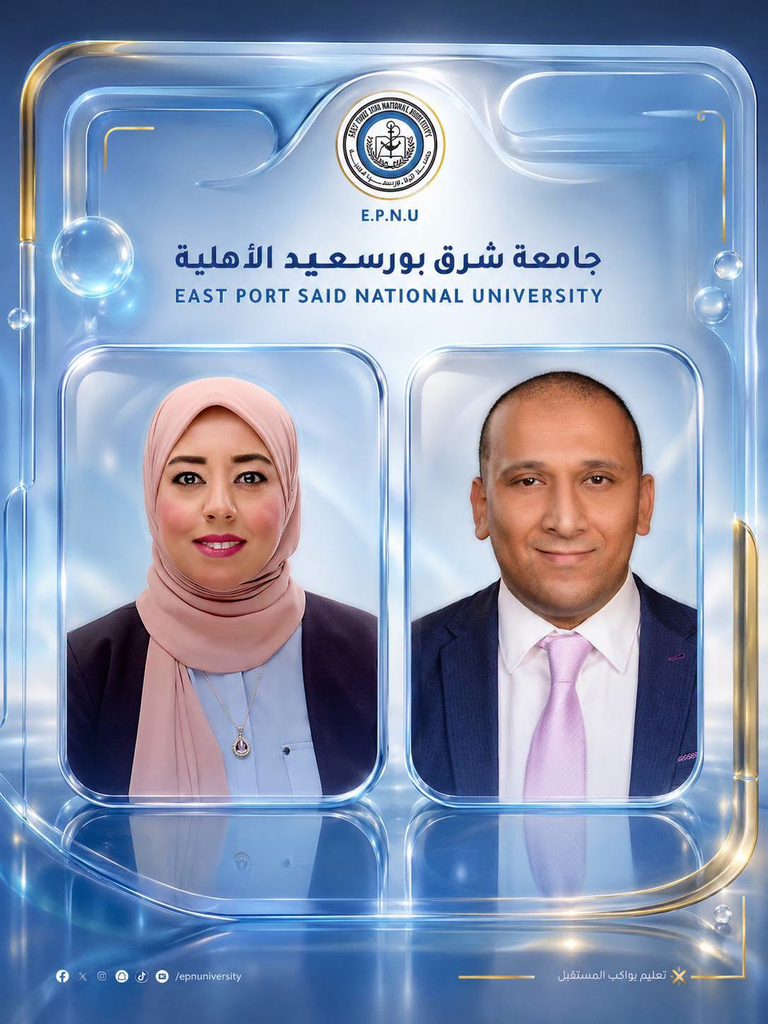
The visit was organised and directly supervised by Dr. Asmaa Rady, Director of the University’s Professional Training and Development Centre and Director of the Artificial Intelligence and Machine Learning Engineering Programme, and Assistant Prof. Dr. Mohamed El-Sakka, Director of the International and Local Relations Office and Director of the Mechatronics and Automation Engineering Programme.
Prof. Dr. Atef Alam El-Din, President of the University, reaffirmed the University’s commitment to supporting industry-based training and strengthening partnerships with leading industrial organisations. He emphasised the importance of providing students with opportunities to engage with modern technological applications in industrial settings and align their academic learning with the practical needs of industry. Such initiatives, he noted, contribute to developing students’ competencies and preparing them to compete in the labour market.
The University extends its sincere appreciation to Elsewedy Electric for its warm reception and constructive cooperation, and for providing Faculty of Engineering students with the opportunity to observe modern manufacturing technologies first-hand and benefit from the technical and engineering expertise available within an industrial setting.
This visit forms part of the University’s ongoing series of industry-based training visits organised in collaboration with its industrial partners, underscoring its commitment to expanding opportunities for experiential learning and practical training, equipping students to keep pace with technological advancements, and preparing qualified engineering graduates with the knowledge and competencies required to compete in the labour market.

Views: 58