
Innovative Engineering for a Sustainable Future
A modern engineering institution dedicated to preparing graduates capable of design, analysis, and practical application. Students begin with a foundational preparatory year, then choose their pathway among Mechatronics and Automation, Artificial Intelligence and Machine Learning, and Energy and Electrical Power.
About the Faculty of Engineering
The Faculty of Engineering at East Port Said National University offers a modern educational model that connects core engineering knowledge with practical application and advanced technologies, preparing graduates who can think analytically, design engineering solutions, and solve real-world problems.
Academic Identity of the Faculty
Study begins with a foundational preparatory year in which students acquire the scientific and engineering foundations needed before moving into specialized pathways, ensuring the development of well-rounded engineers capable of lifelong learning and working in multidisciplinary teams.
The faculty focuses on integrating theoretical study, practical training, and applied projects, guiding students toward modern engineering fields aligned with local and regional labor market needs and the requirements of technological transformation.
Faculty Mission
Preparing engineering graduates who can employ scientific knowledge and practical skills in mechatronics and automation, artificial intelligence and machine learning, and energy and electrical power to design solutions that serve development and the labor market.
Faculty Vision
To be a distinguished learning environment in applied engineering education, innovation, and community service.
Pillars of Excellence at the Faculty of Engineering
The engineering pathway is built on four pillars that ensure applicable and developable engineering knowledge.
Educational Process
Building a strong engineering foundation in the preparatory year, then moving into precise specializations based on understanding, analysis, and problem-solving.
Practical Training
Linking study with application through field training and practical projects that help students understand the engineering work environment.
Innovation and Projects
Encouraging students to build solutions in mechatronics and automation, artificial intelligence and machine learning, and energy and electrical power that serve industry and development.
Community Engagement
Directing engineering knowledge toward projects that serve society and strengthen the university’s role in sustainable development.
Specializations That Shape the Future
The Faculty of Engineering offers three specialized programs after the preparatory year, combining applied engineering education, practical projects, and the requirements of the Fourth Industrial Revolution and digital transformation.
Mechatronics and Automation Engineering
Where mechanics meet electronics, control systems, and programming to design robotics and integrated intelligent systems.
Artificial Intelligence and Machine Learning Engineering
Your gateway to leading digital transformation through artificial intelligence tools, data analysis, and the development of intelligent models.
Energy and Electrical Power Engineering
A pathway focused on renewable energy, smart grids, energy efficiency, and sustainability in line with global trends.
About the Program
The program focuses on developing students’ skills in designing intelligent mechanical systems, automatic control, robotics, sensors, and the integration of mechanical, electronic, and software components.
Program Director’s Message
Through the Mechatronics Engineering Program, we seek to prepare engineers capable of working with modern multidisciplinary systems, with the ability to innovate, develop, and operate within advanced industrial and technological environments.
About the Program Director
The program director’s details, brief biography, and contact information will be updated once officially approved by the faculty.
Basic Information
- Study System: Credit hours.
- Duration of Study: According to the approved regulations.
- Language of Instruction: To be updated soon.
- Study Plan: To be updated soon.
Learning Outcomes
- Designing and analyzing mechatronic systems.
- Applying principles of control, programming, and measurement.
- Implementing applied engineering projects.
Career Opportunities
- Control systems and robotics.
- Industrial maintenance and operation.
- Engineering design and intelligent systems.
- Technology and manufacturing companies.
Credit Hours
165 credit hours distributed across 60 courses.
Duration of Study
5 academic years, including a foundational preparatory level.
Language of Instruction
English.
Admissions
Students join the program after successfully completing the preparatory level.
An Interdisciplinary Program for Smart Technologies
The program focuses on developing students’ capabilities in interdisciplinary fields related to computing and intelligent systems, and on designing effective software by integrating software systems and computer components.
The program relies on learning through case studies and applied projects aimed at solving real-world problems in engineering and applied fields.
Preparing an engineer capable of innovation
- Providing students with high-quality foundational knowledge in electrical engineering and computer engineering and linking it to the labor market.
- Developing the ability to work with multidisciplinary intelligent systems to solve specific applied problems.
- Preparing software developers to work in machine learning and artificial intelligence fields.
- Supporting self-directed learning, scientific research, and service to the industrial sector and society.
What Students Gain
- Designing and integrating software solutions.
- Modeling, analyzing, and designing computer systems and system architecture.
- Selecting and analyzing control technologies for digital engineering systems.
- Designing and integrating analog, digital, and intelligent systems.
- Designing, developing, testing, operating, and maintaining digital systems and services.
- Modeling, analyzing, and designing networks and distributed systems while maintaining their security.
Broad Career Pathways
- Artificial Intelligence and Machine Learning Engineer.
- Software Developer for artificial intelligence applications and intelligent systems.
- Data Analyst or Assistant Data Engineer.
- Machine Learning and Deep Learning Model Developer.
- Computer Vision and Image Processing Engineer.
- Embedded Systems, Robotics, and Internet of Things Engineer.
- Developer of intelligent solutions in industrial, healthcare, educational, environmental, and energy fields.
10 semesters totaling 165 credit hours
The study plan includes university requirements, faculty requirements, program requirements, specialization requirements, summer training, and a graduation project.
Practical and Laboratory Training
The program provides practical and laboratory training in programming, digital systems, embedded systems, networks, machine learning, computer vision, robotics, and applied projects related to artificial intelligence and machine learning.
Huawei ICT Academy
The program is connected to training and technology opportunities through the Huawei ICT Academy at East Port Said National University, supporting training in artificial intelligence, cloud computing, networks, the Internet of Things, and modern communications.
Dr. Eng. Asmaa Rady Ahmed
Director of the Artificial Intelligence and Machine Learning Engineering Program
Dr. Asmaa Rady serves as Director of the Artificial Intelligence and Machine Learning Engineering Program at the Faculty of Engineering and also manages the university’s Huawei Academy branch.
She earned her PhD in Renewable Energy Engineering from the University of Exeter in the United Kingdom. Her research and applied interests include intelligent systems and their integration with renewable energy systems, desalination, engineering modeling, and improving the performance of engineering systems using modern methods.
She has academic experience in university teaching, academic supervision, engineering program management, curriculum and regulation development, and quality assurance in education, and has participated in several academic and research committees.
Her notable achievements include receiving the Newton-Mosharafa PhD scholarship in the United Kingdom, an international research fellowship at Politecnico di Torino in Italy, publishing internationally indexed research, and participating in locally and internationally funded applied research projects.
About the Program
The program focuses on electrical power systems, renewable energy, smart grids, energy efficiency, and engineering applications related to resource sustainability and modern global trends.
Learning Outcomes
- Designing and analyzing electrical power systems.
- Understanding renewable energy technologies and smart grids.
- Applying engineering solutions to improve energy efficiency and sustainability.
Career Opportunities
- Electricity and renewable energy companies.
- Smart grids and energy efficiency.
- Design, operation, and maintenance of power systems.
- Industrial and infrastructure projects.
What students need before applying
Admission Requirements
- Admission is conducted in accordance with the university’s admission rules and the relevant authorities.
- Students complete a preparatory year, then choose their specialization among Mechatronics and Automation, Artificial Intelligence and Machine Learning, or Energy and Electrical Power.
- University Admission Rules
Fields of Work
- Mechatronics, automation, and control systems.
- Artificial intelligence, machine learning, and intelligent systems applications.
- Energy and electrical power engineering and smart grids.
- Engineering design, analysis, and project management.
Contact
- Faculty Page: faculty-of-engineering
- For inquiries, follow the university’s official channels and the faculty page.
- University Location
Latest Faculty of Engineering News
The latest official news published under the Faculty of Engineering category.
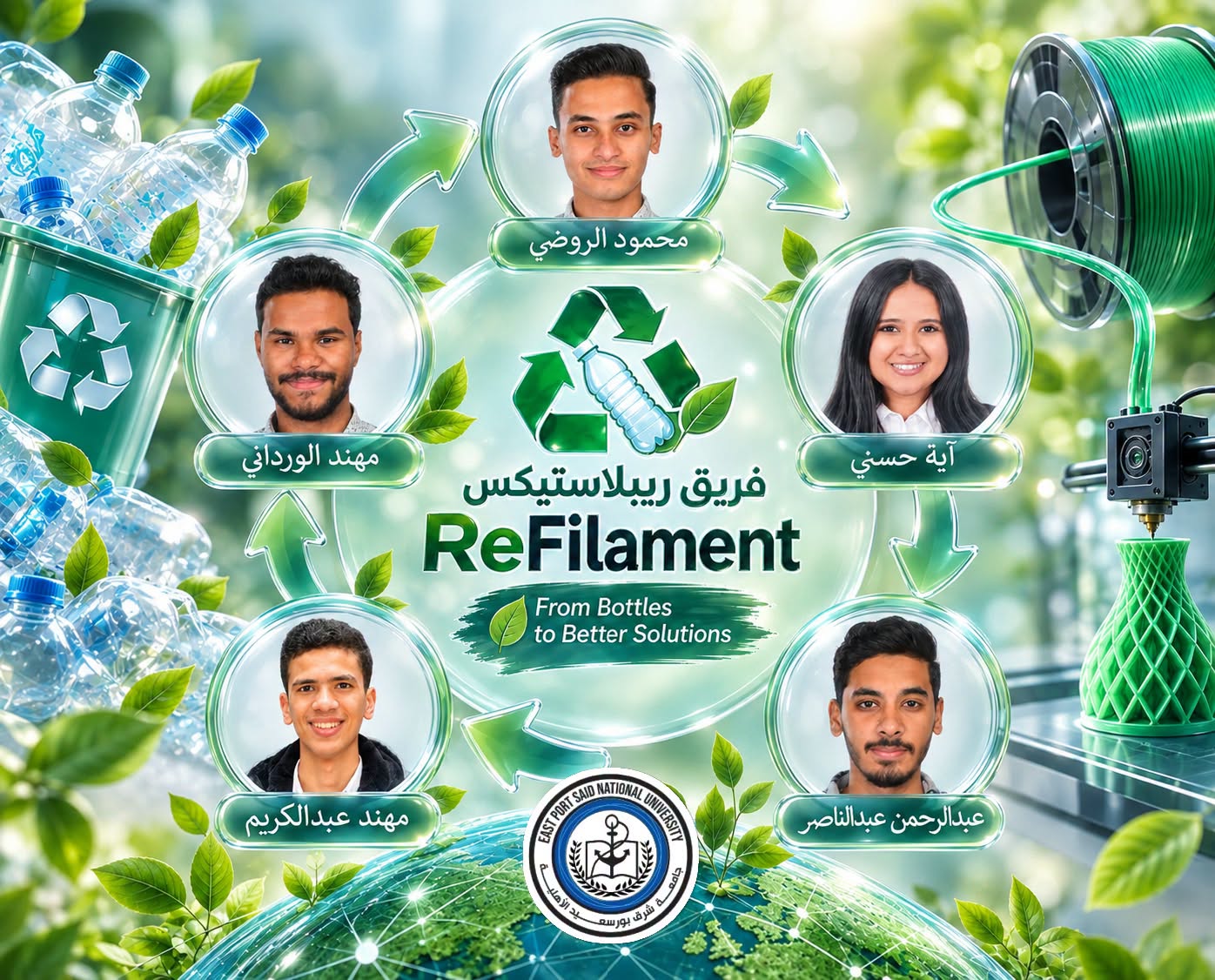
RePlastics - East Port Said National University Supports Student Innovation in Sustainability and Waste Management
تحت رعاية الأستاذ الدكتور/ عاطف علم الدين – رئيس الجامعة، يشارك فريق «ريبلاستيكس» في تصفيات مسابقة إدارة المخلفات الجامعية، من خلال مشروعه المبتكر ReFilament، الذي يقدم رؤية عملية لإعادة تدوير المخلفات البلاستيكية وتحويلها إلى منتجات ذات قيمة واستخدام داخل الجامعة.ويستهدف المشروع إعادة تدوير زجاجات المياه والمشروبات البلاستيكية المصنوعة من مادة PET، وإعادة توظيفها من خلال…
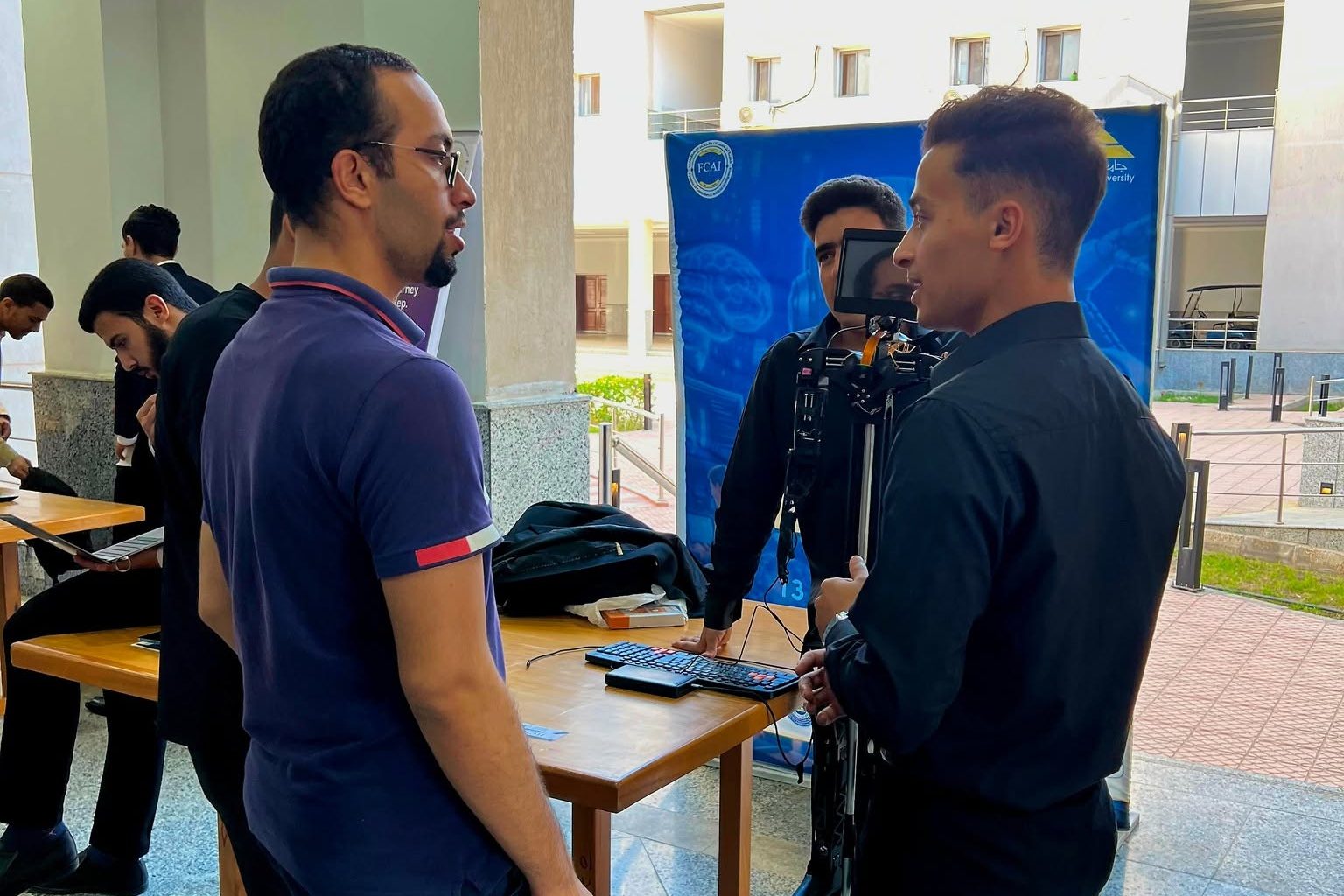
In support of innovation and scientific research, students from East Port Said National University are participating in the AI Hackathon at the First International Conference on Innovations and Applications of Artificial Intelligence.
تحت رعاية الأستاذ الدكتور/ عاطف علم الدين – رئيس الجامعة، وفي إطار حرص جامعة شرق بورسعيد الأهلية على دعم طلابها المتميزين، وتشجيعهم على المشاركة في المحافل العلمية والبحثية، وتعزيز ثقافة الابتكار والإبداع، شارك فريق من طلاب الجامعة في مسابقة الذكاء الاصطناعي (AI Hackathon)، والتي أُقيمت ضمن فعاليات المؤتمر الدولي الأول للابتكارات وتطبيقات الذكاء الاصطناعي (ICIAAI…
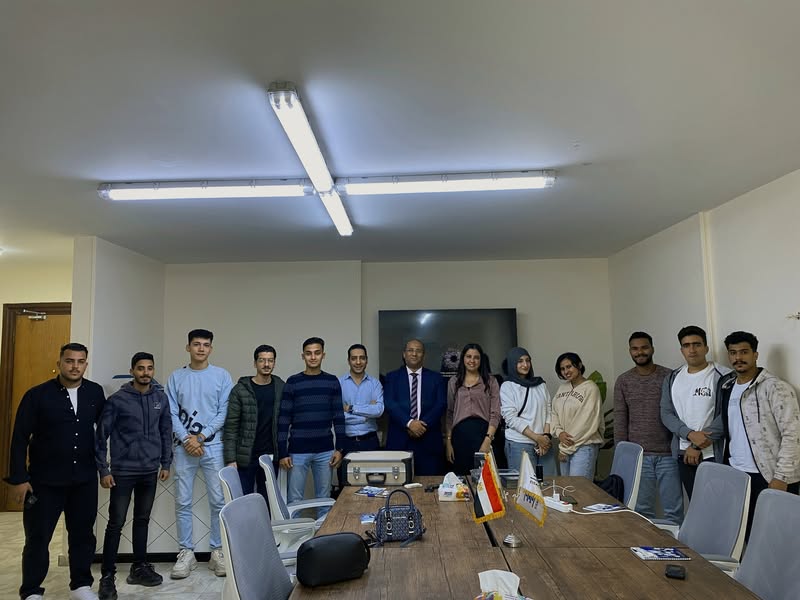
East Port Said National University students visit EISAC Automation for practical training to support applied learning
A training visit to EISAC Automation to enhance applied learning and connect students with industrial work environments and technology.
Files and Resources Students Need
Admission Rules
Review the admission rules published by the university.
Faculty Page
Follow the official news and updates of the Faculty of Engineering.
Student Services
Links and services of interest to students within the university.
Practical Training
Learn about the available news on practical training for engineering students.
Join the Makers of the Engineering Future
Start with a strong preparatory year, then choose your pathway in Mechatronics and Automation, Artificial Intelligence and Machine Learning, or Energy and Electrical Power, and follow the faculty page for official details.

Vision Faculty
For the Faculty of Engineering to provide distinguished education and scientific research that keeps pace with global developments, encourages and supports innovation, maximizes effective partnerships locally and internationally, and serves as a center of expertise for community service.
Faculty vision
The faculty of Engineering aims to provide distinguished education and scientific research that keeps pace with global developments, encourages and supports innovation, maximizes effective partnerships locally, internationally and to be a home of expertise for serving the community.
Mission Faculty
Preparing distinguished graduates capable of keeping pace with global scientific and technological development across engineering specializations that meet local and regional market needs, and enabling them to conduct advanced scientific and applied research by creating suitable conditions for faculty members, their assistants, and students,Tand by providing and developing advanced educational programs, continuing education, and advanced research laboratories that contribute to community service, development, and meeting community needs..
Faculty Mission
Preparing a distinguished graduate who is able to keep pace with the global scientific and planning development in various engineering disciplines that meet the needs of the local market and the media, and a research and evaluation methodology, with the methodology of creating appropriate conditions for faculty members, their assistants and students, and the development of advanced educational programs, in continuing education, and the establishment of advanced consulting centers and research laboratories that contribute to community service, development and meeting its needs.
Faculty of Engineering News
-
RePlastics - East Port Said National University Supports Student Innovation in Sustainability and Waste Management
-
In support of innovation and scientific research, students from East Port Said National University are participating in the AI Hackathon at the First International Conference on Innovations and Applications of Artificial Intelligence.
-
East Port Said National University students visit EISAC Automation for practical training to support applied learning
Views: 12572