Faculty of Applied Health Sciences Technology
Two specialized programs in medical laboratories, radiology, and medical imaging
The faculty offers two applied academic pathways focused on preparing qualified professionals to work in medical laboratories and radiology and medical imaging units through scientific study and practical training aligned with the needs of the healthcare labor market.
Faculty of Applied Health Sciences Technology
The Faculty of Applied Health Sciences Technology at East Port Said National University prepares scientifically and practically distinguished specialists in modern health technology fields through applied academic programs that combine scientific knowledge with practical training in laboratories and healthcare institutions.
Applied Educational Vision
The faculty focuses on developing graduates with professional skills capable of supporting the healthcare system while adhering to quality standards, occupational safety, and healthcare ethics.
Programs on This Page
- Medical Laboratory Technology Program.
- Medical Imaging and Radiologic Technology Program.
- Study is conducted in English over 131 credit hours.
Program Director
Prof. Dr. Salma Mostafa Khairallah
Program Director of the Faculty of Applied Health Sciences Technology. She holds a PhD in Biochemistry from the Faculty of Science at Port Said University and previously served as Director of the Biochemistry and Microbiology Program at the Faculty of Science, Port Said University.
Programs Available at the Faculty
This page presents only the Medical Laboratory Technology Program and the Medical Imaging and Radiologic Technology Program according to the data provided in the academic program file.
Medical Imaging and Radiologic Technology
Medical imaging technologies and radiation safety.
Program DetailsMedical Laboratory Technology Program

Medical Laboratory Technology
An applied pathway for preparing qualified professionals in modern laboratory analyses and technologies.
About the Program
The Medical Laboratory Technology Program is one of the programs of the Faculty of Applied Health Sciences Technology. It aims to prepare qualified healthcare professionals with the scientific knowledge and practical skills required to work in medical analyses and modern laboratory technologies.
The program focuses on studying basic and medical sciences related to laboratories, such as hematology, biochemistry, microbiology, parasitology, immunology, and laboratory diagnostic techniques, with emphasis on practical training in specialized laboratories and healthcare institutions.
The program seeks to graduate specialists capable of conducting medical tests and analyses accurately and efficiently, using modern laboratory devices and technologies, and adhering to quality standards, occupational safety, and healthcare ethics to meet labor market needs in the medical sector.
Program Objectives
- Preparing qualified graduates with the scientific knowledge and applied skills required to work efficiently in medical laboratories.
- Providing students with modern scientific foundations in different fields of medical analysis, such as hematology, biochemistry, microbiology, parasitology, and immunology.
- Developing students’ skills in using modern laboratory devices and technologies and conducting laboratory tests according to quality and accuracy standards.
- Qualifying students to apply biosafety procedures and quality practices in medical laboratories.
- Developing students’ ability to analyze and interpret laboratory test results and contribute to supporting medical diagnosis.
- Enhancing scientific research and lifelong learning skills to keep pace with developments in health sciences and medical technology.
- Preparing professionals capable of competing in the healthcare labor market and contributing effectively to the development of healthcare services.
Learning Outcomes
By the end of the program, graduates will be able to:
- Understand the fundamentals of medical laboratory sciences and different fields of analysis.
- Prepare and process medical samples according to professional standards.
- Perform hematology, biochemistry, microbiology, parasitology, and immunology tests.
- Operate medical laboratory equipment and perform basic routine maintenance.
- Apply quality, occupational safety, and infection control procedures.
- Analyze laboratory test results and prepare laboratory reports.
Medical Imaging and Radiologic Technology Program
Medical Imaging and Radiologic Technology
A specialized pathway in medical imaging technologies and equipment operation according to safety standards.
About the Program
The Medical Imaging and Radiologic Technology Program aims to prepare technology specialists capable of operating modern medical imaging technologies to assist in diagnosing medical conditions.
The program focuses on practical training using different radiology devices, while applying radiation protection and safety rules and building scientific knowledge related to diagnostic and therapeutic imaging technologies.
The program qualifies graduates to work efficiently within the healthcare team, operate various medical imaging devices safely and effectively, prepare patients for examination procedures, and adhere to quality standards in radiology units.
Program Objectives
- Preparing specialists in radiologic technology and medical imaging.
- Providing students with scientific knowledge of diagnostic and therapeutic imaging technologies.
- Training students to operate X-ray, CT, and MRI equipment.
- Enhancing skills in applying radiation protection and occupational safety rules.
- Qualifying graduates to work efficiently within the healthcare team.
Learning Outcomes
By the end of the program, graduates will be able to:
- Understanding the scientific and physical principles related to radiology and medical imaging.
- Operating different medical imaging devices efficiently and safely.
- Preparing patients for radiological examination procedures.
- Applying radiation protection rules and reducing occupational risks.
- Evaluating radiological image quality in coordination with the specialist physician.
- Adhering to quality and accreditation standards within radiology units.
Laboratories and Equipment
The program provides an educational and laboratory environment that supports the acquisition of theoretical knowledge and practical skills required by the healthcare labor market.
Specialized Laboratories
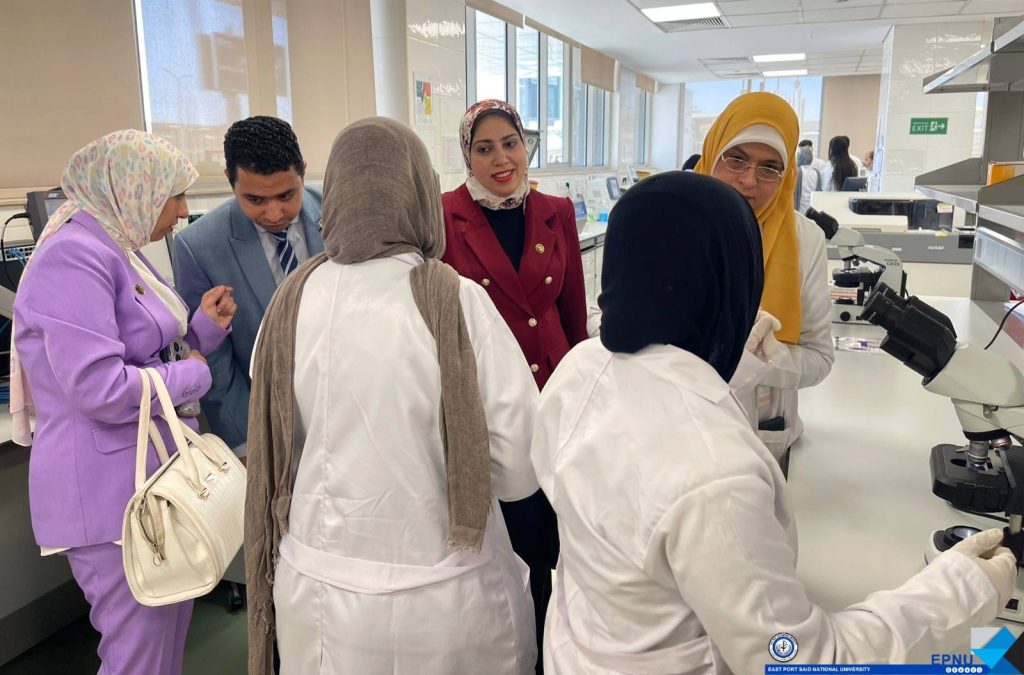
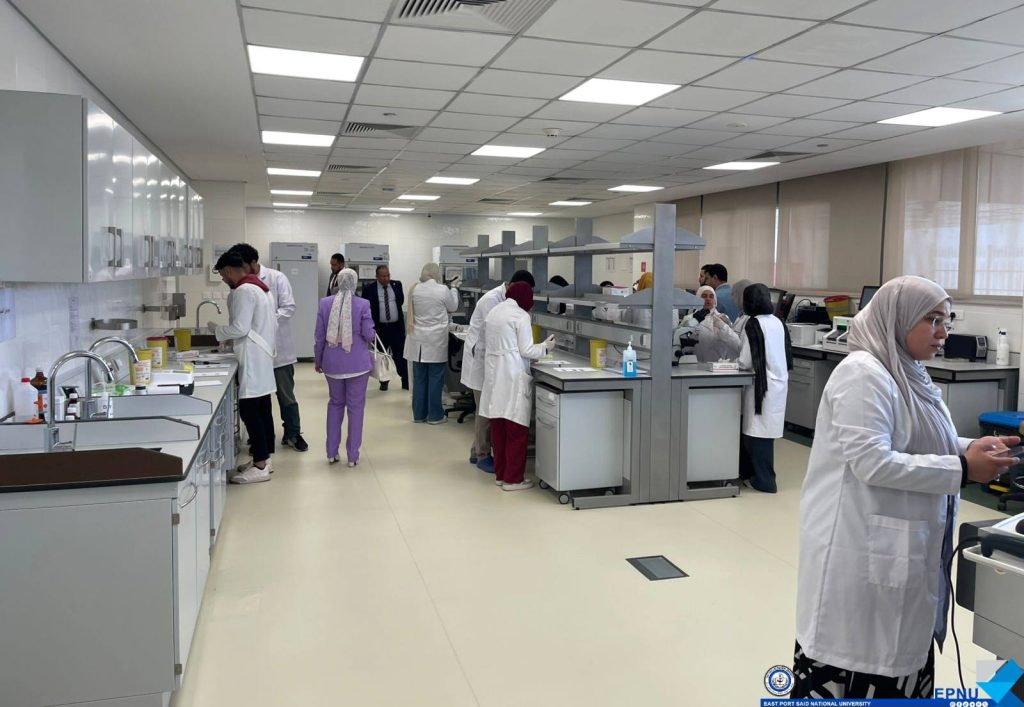
The program includes specialized teaching laboratories to train students in practical and applied aspects of health sciences technology, including medical laboratory labs equipped with the tools needed for training in different medical analyses.
Devices and Technologies
Students train in microscopy, biochemistry, fundamentals of hematology, and microbiology, in addition to training related to operating X-ray, CT, and MRI devices in the Medical Imaging and Radiologic Technology Program.
Training Environment
The program provides equipped classrooms, e-learning tools, and digital learning resources, helping students acquire theoretical knowledge and connect it with practical application.
Practical Skills
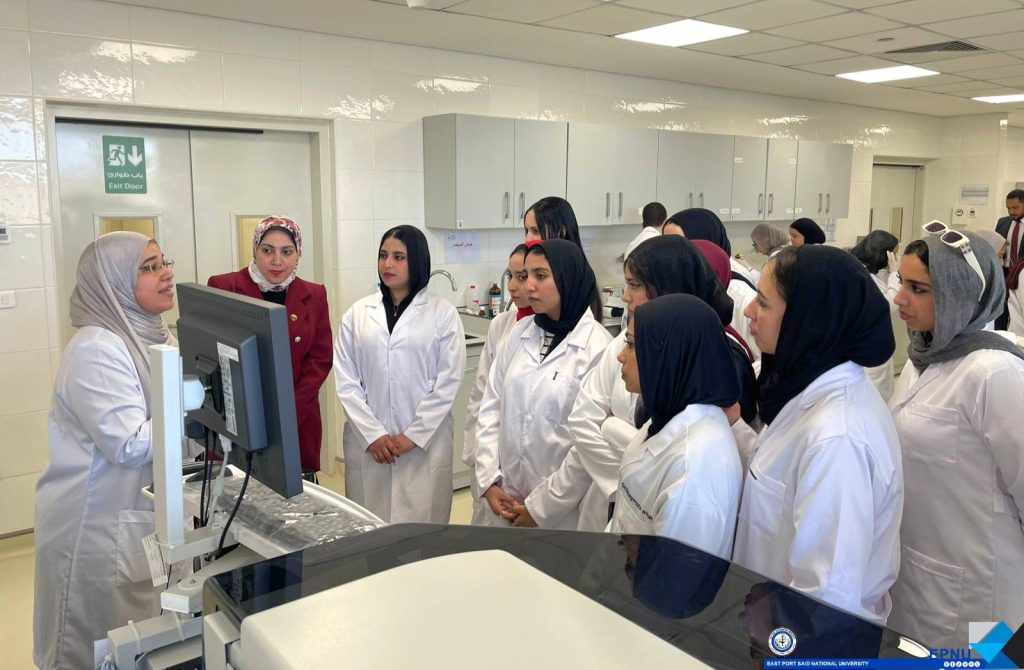
Training focuses on conducting laboratory tests, preparing samples, operating equipment efficiently and safely, preparing patients for radiological examination procedures, and applying quality and occupational safety standards.
Academic and Training Partnerships
The program is linked to several cooperation protocols with specialized healthcare institutions to provide clinical training and practical application opportunities for students, connecting the academic component with real practice in different healthcare environments.
Port Said University Hospital
Ahl Masr Hospital
Al Nas Hospital
Saudi German Hospital
Children’s Cancer Hospital Egypt 57357
Plasma Donation Centers
These partnerships contribute to developing students’ practical skills, introducing them to modern work methods within healthcare institutions, and improving their readiness for the labor market through training in specialized medical environments.
Career Opportunities
The two programs provide students with a clear professional pathway within the healthcare sector by combining academic knowledge with practical training on the technologies and devices used in medical laboratories and medical imaging units.
Medical Laboratory Technology
The program qualifies graduates to work efficiently in medical laboratory environments through skills in sample preparation and processing, conducting laboratory analyses, operating equipment, and adhering to quality, safety, and infection control standards.
- Medical Laboratory Technology Specialist.
- Medical analysis laboratories.
- Laboratory departments in hospitals.
- Quality, safety, and infection control units.
- Laboratory testing environments under the supervision of the specialized medical team.
Medical Imaging and Radiologic Technology
The program qualifies graduates to use and operate medical imaging equipment, apply radiation protection rules, prepare patients for examinations, and work according to quality and accreditation standards in healthcare environments.
- Radiologic and Medical Imaging Technology Specialist.
- Diagnostic and therapeutic radiology units.
- X-ray units.
- CT units.
- MRI units.
- Medical imaging centers.
Professional Readiness
The two programs focus on preparing graduates capable of working within integrated healthcare teams while adhering to professional standards, healthcare ethics, and occupational safety.
Key Areas of Excellence
Modern and Specialized Programs
Academic programs aligned with global developments in health technology fields and labor market needs.
Integrating Theory with Practice
The study combines scientific knowledge with intensive practical training to prepare graduates with the required professional skills.
Specialized Laboratories and Equipment
An educational environment and specialized laboratories equipped with modern technologies and devices used in health fields.
An interdisciplinary program combining geospatial sciences, geographic information systems, remote sensing, and data analysis using artificial intelligence technologies.
Cooperation protocols with specialized healthcare institutions and medical centers to provide clinical training opportunities.
Quality and Occupational Safety
Preparing graduates capable of using modern medical technologies and devices while adhering to quality and occupational safety standards.
Research and Lifelong Learning
Developing scientific research and lifelong learning skills to keep pace with advances in healthcare and medical technology.
Healthcare Teamwork
Qualifying students to work efficiently and professionally within integrated healthcare teams.
Competitiveness
Enhancing graduates’ ability to compete in the local and regional labor market.
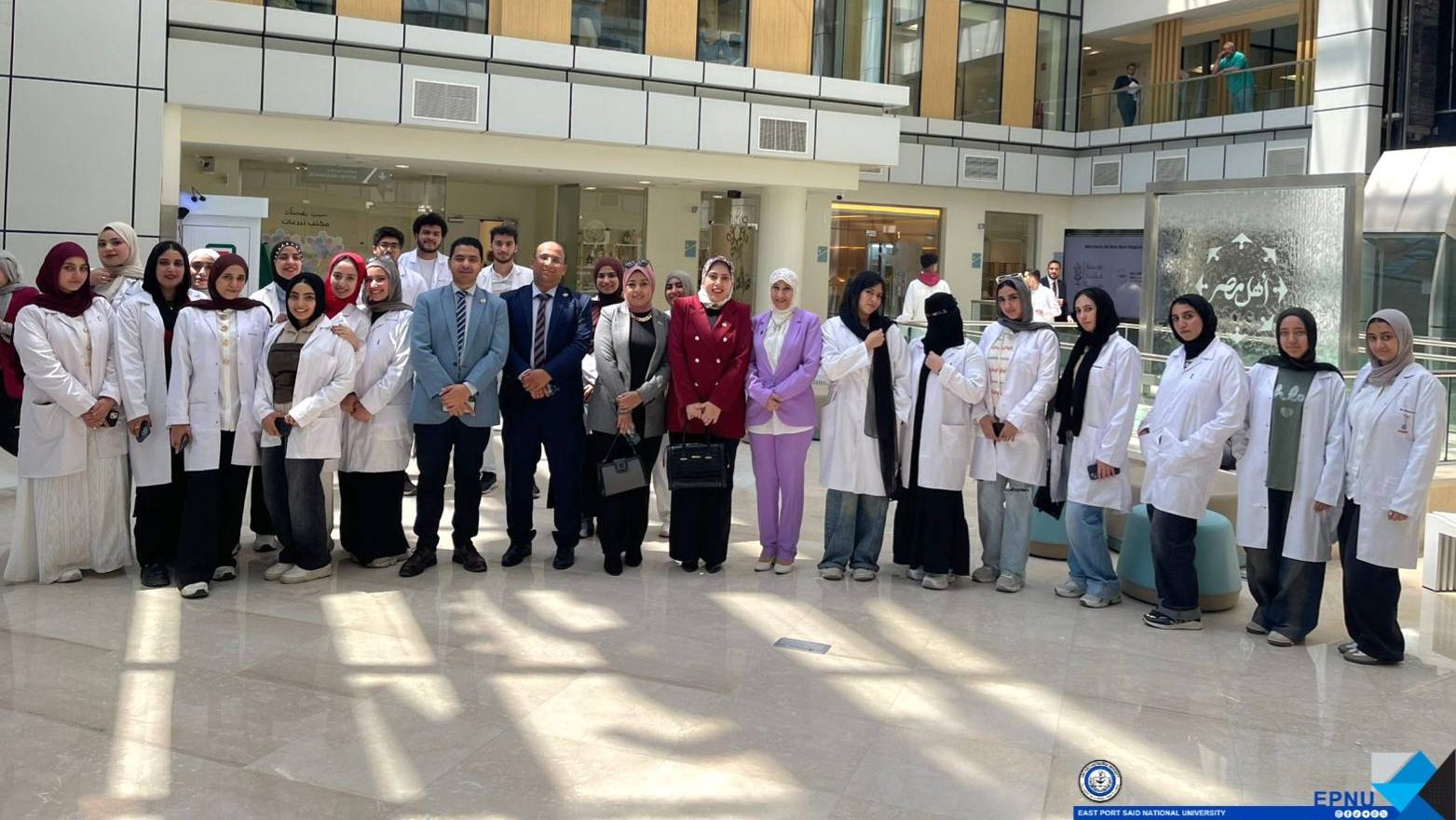
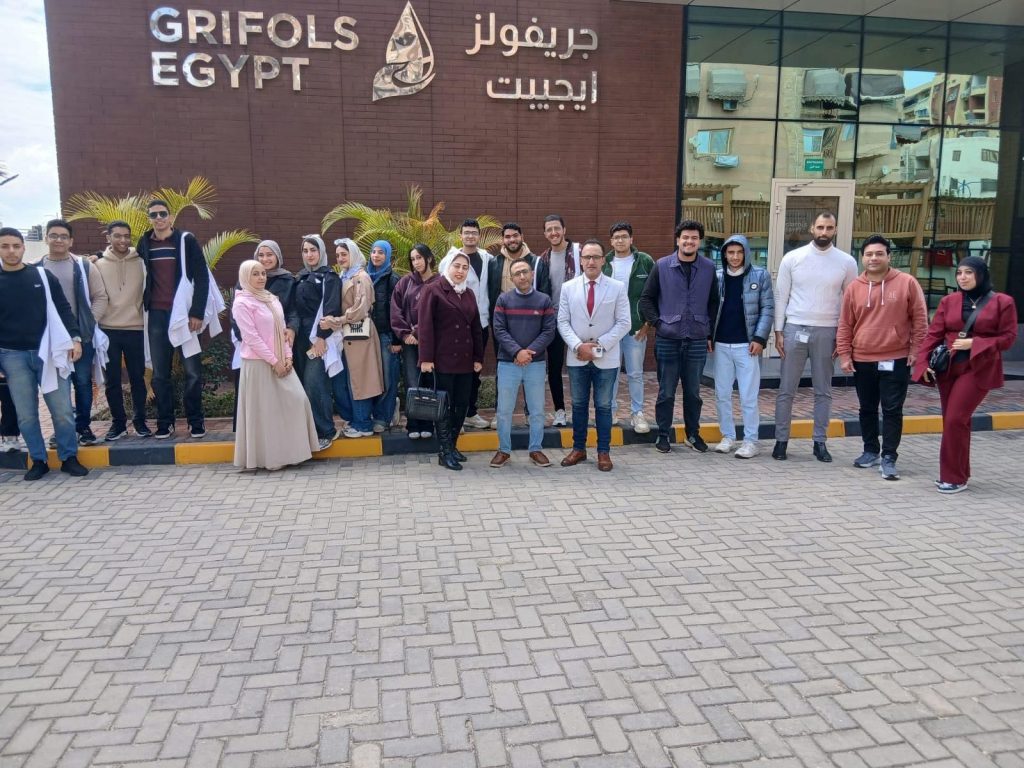
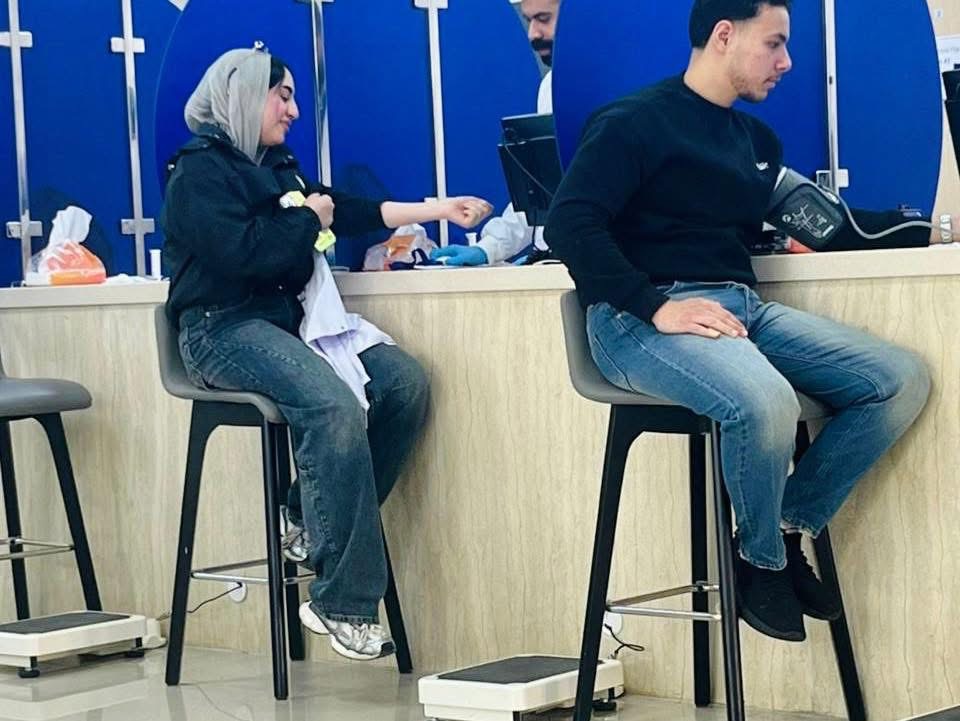
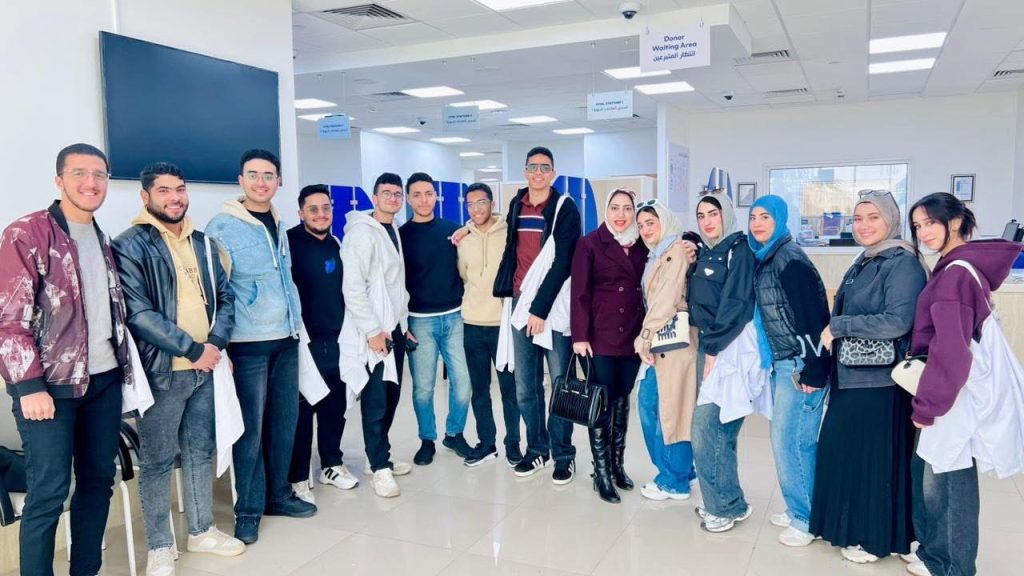
Scenes from Training and Scientific Visits
Latest News from the Faculty of Applied Health Sciences Technology
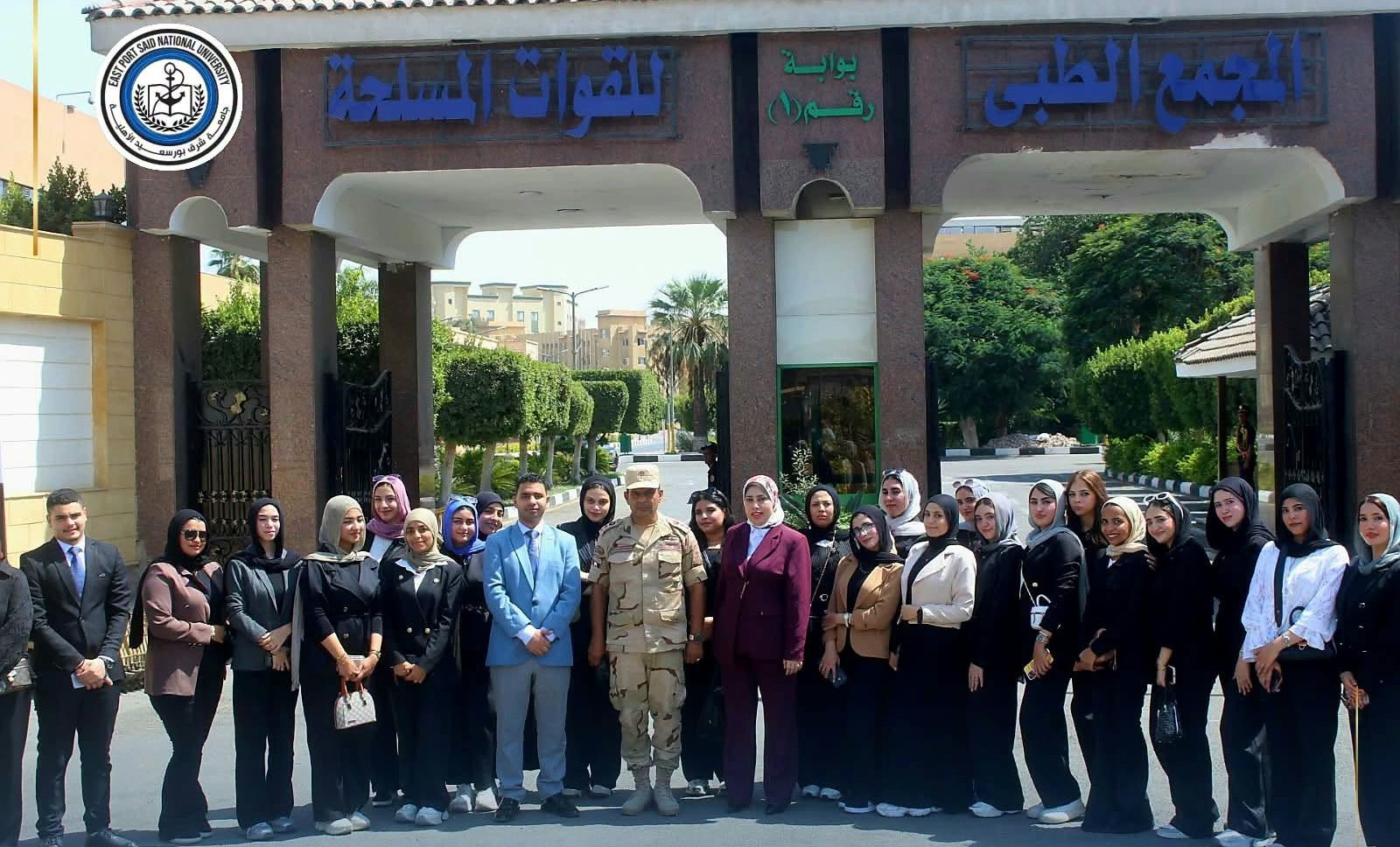
زيارة علمية لطلاب كلية العلوم الصحية التطبيقية بالجامعة إلى مستشفى كوبري القبة العسكري
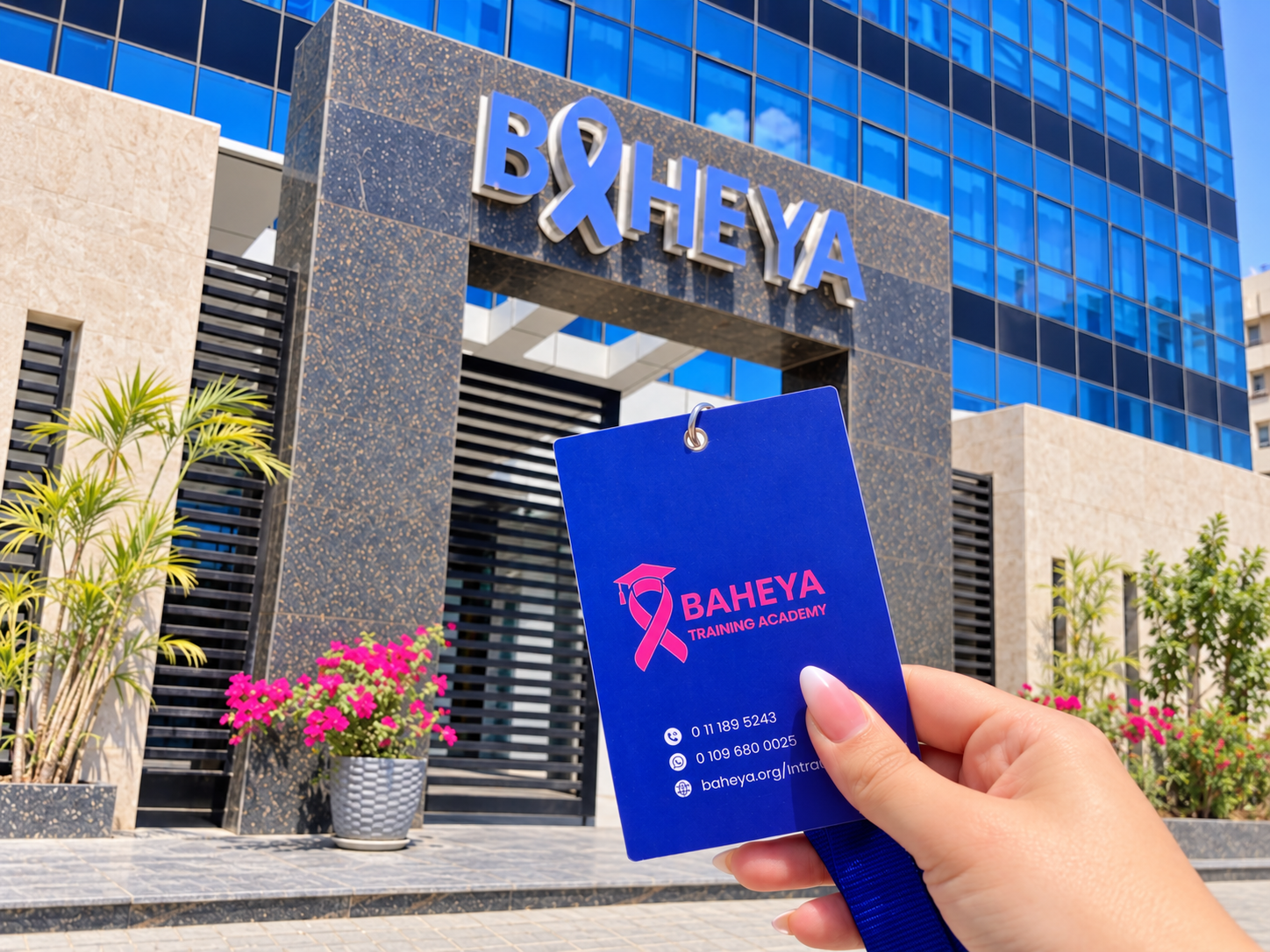
مستشفى بهية تستضيف طلاب العلوم الصحية التطبيقية بجامعة شرق بورسعيد الأهلية في تجربة تدريبية وإنسانية متميزة
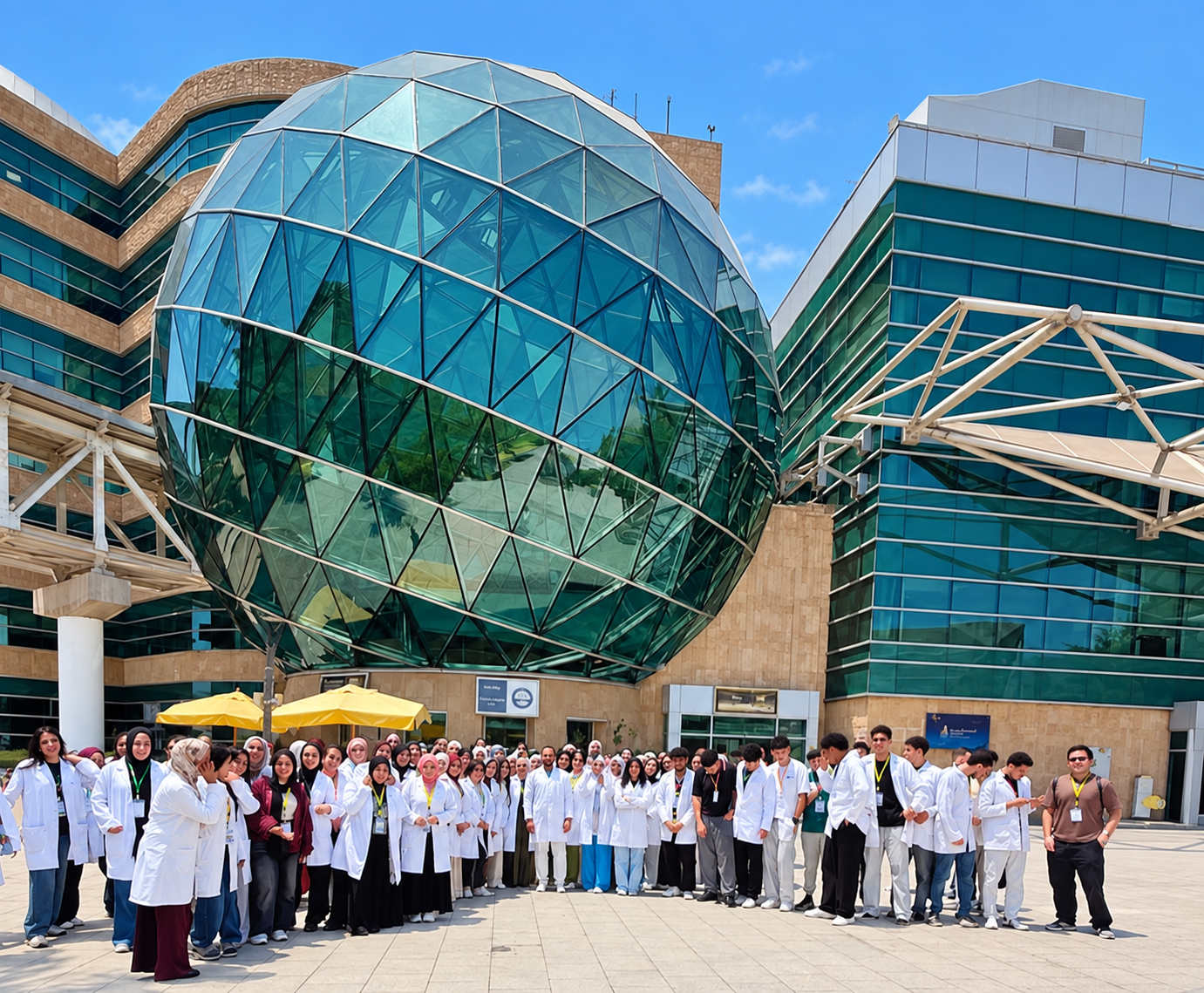
تجربة عملية متميزة لطلاب العلوم الصحية التطبيقية بجامعة شرق بورسعيد الأهلية في مستشفى 57357
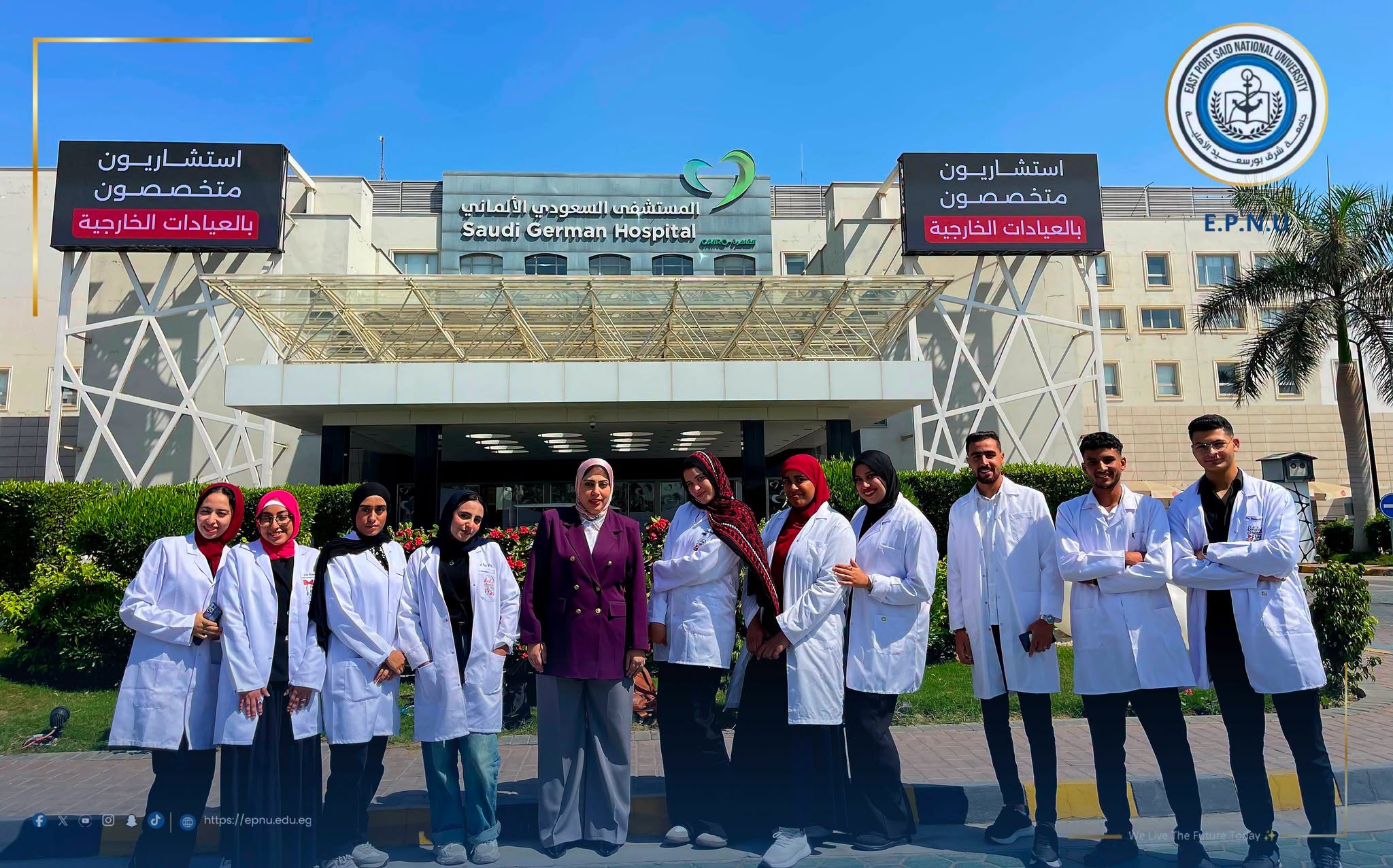
Students of the Faculty of Applied Health Sciences at East Port Said National University Gain Valuable Clinical Experience at Saudi German Hospital – Cairo
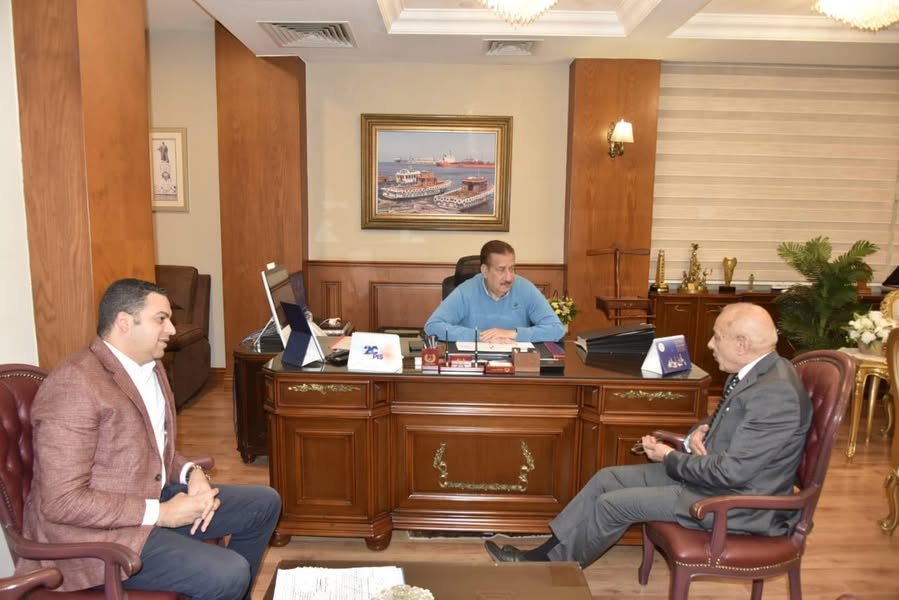
Port Said Governor visits East Port Said National University and supports cooperation with the university

Supporting Experiential Learning: East Port Said National University Visits the Al-Fayrouz Aquaculture Project
Choose Your Path in Applied Health Sciences Technology
Learn about the Medical Laboratory Technology Program and the Medical Imaging and Radiologic Technology Program, and begin a professional pathway in the healthcare sector.